A) 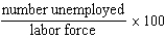
B) 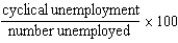
C) 
D) 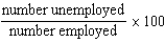
F) A) and D)
Correct Answer

verified
Correct Answer
verified
A) not inevitable; rather, it can be reduced to zero by well-designed public policies.
B) not inevitable; rather, it could be reduced to zero if by the elimination of unemployment insurance.
C) inevitable, because at any given time, jobs are being created in some firms and destroyed in other firms.
D) inevitable, because in some industries, wages are always set above the level that brings supply and demand into equilibrium.
F) A) and D)
Correct Answer
verified
Correct Answer
verified
A) In unionized industries, wages are above the level that would prevail in competitive markets.
B) The introduction of a union in some industry reduces the quantity of labor demanded in that industry, causes some workers in that industry to be unemployed, and reduces wages in the rest of the economy.
C) Critics argue that the allocation of labor resulting from unions is both inefficient and inequitable.
D) All of the above are correct.
F) All of the above
Correct Answer
verified
Correct Answer
verified
A) 0
B) 10,000
C) 20,000
D) 40,000
F) A) and B)
Correct Answer
verified
Correct Answer
verified
A) 8.0%
B) 12.7%
C) 15.9%
D) 22.1%
F) A) and C)
Correct Answer
verified
Correct Answer
verified
B) False
Correct Answer
verified
Correct Answer
verified
A) $2.
B) $4.
C) $5.
D) $6.
F) None of the above
Correct Answer
verified
Correct Answer
verified
B) False
Correct Answer
verified
Correct Answer
verified
A) increased both from 2010 to 2011 and from 2011 to 2012.
B) increased from 2010 to 2011 but decreased from 2011 to 2012.
C) decreased from 2010 to 2011 but increased from 2011 to 2012.
D) decreased both from 2010 to 2011 and from 2011 to 2012.
F) C) and D)
Correct Answer
verified
Correct Answer
verified
A) higher production costs and higher profits.
B) higher production costs and lower profits.
C) lower production costs and higher profits.
D) lower production costs and lower profits.
F) All of the above
Correct Answer
verified
Correct Answer
verified
A) 75% was short term; 33.3% was long term
B) 75% was short term; 66.7% was long term
C) 85.7% was short term; 33.3% was long term
D) 85.7% was short term; 66.7% was long term
F) A) and C)
Correct Answer
verified
Correct Answer
verified
A) a higher wage paid to a more experienced worker
B) a below-equilibrium wage paid by a small business exempt from minimum-wage laws
C) an above-equilibrium wage paid by a firm to reduce turnover costs
D) a wage tied to participation in a government-sponsored job training program
F) All of the above
Correct Answer
verified
Correct Answer
verified
B) False
Correct Answer
verified
Correct Answer
verified
A) both frictional and structural unemployment.
B) neither frictional nor structural unemployment.
C) structural but not frictional unemployment.
D) frictional but not structural unemployment.
F) A) and D)
Correct Answer
verified
Correct Answer
verified
B) False
Correct Answer
verified
Correct Answer
verified
A) A union is a worker association that bargains with employers over wages, benefits, and working conditions.
B) Unions play a much larger role in the U.S. labor market now than they did in the past.
C) Unions play a large role in many European countries.
D) A union is a type of cartel.
F) A) and D)
Correct Answer
verified
Correct Answer
verified
B) False
Correct Answer
verified
Correct Answer
verified
A) both Wanda and Arnold
B) Wanda but not Arnold
C) Arnold but not Wanda
D) neither Wanda nor Arnold
F) A) and C)
Correct Answer
verified
Correct Answer
verified
A) frictional unemployment
B) the wage to rise above the equilibrium level
C) conflict between insiders who benefit from high union wages and outsiders who do not get the union jobs
D) reduced wages in industries without unions
F) A) and B)
Correct Answer
verified
Correct Answer
verified
A) job searching. It is often thought to explain relatively short spells of unemployment.
B) job searching. It is often thought to explain relatively long spells of unemployment
C) a surplus in the some labor markets. It is often thought to explain relatively short spells of unemployment.
D) a surplus in some labor markets. It is often thought to explain relatively long spells of unemployment.
F) B) and D)
Correct Answer
verified
Correct Answer
verified
Showing 181 - 200 of 699
Related Exams